
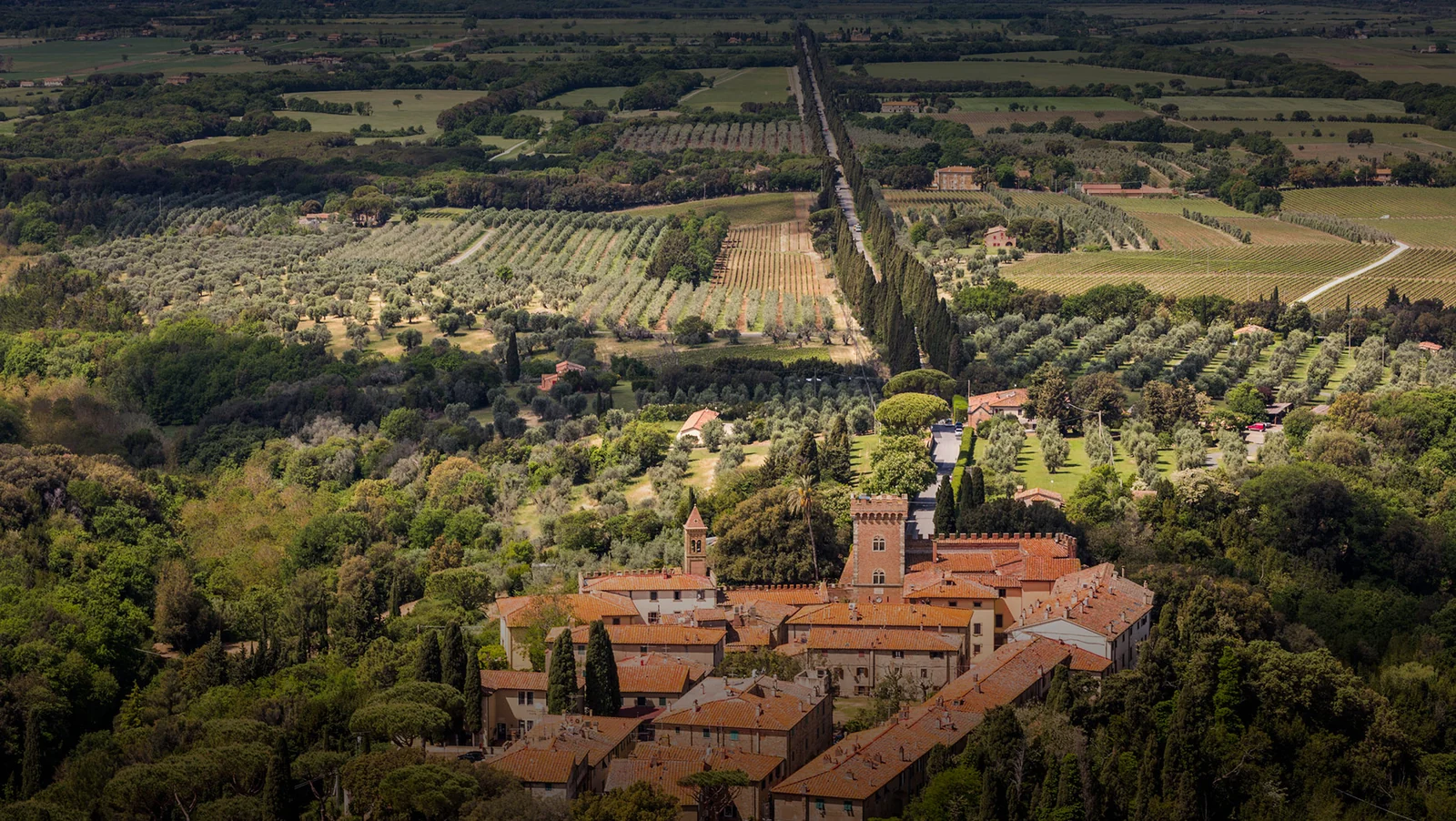
Why Bolgheri deserves a place in a premium Italian portfolio
Bolgheri solves a specific problem for a buyer: it offers reds built on Bordeaux varieties with an unmistakably Italian identity, from a name that sommeliers and collectors already recognise. The appellation is young (the red wines only entered the DOC in 1994) yet its reputation was built by a handful of estates long before that, and it now does part of the selling for every producer who uses it.
It does not do all of it. Reports from 2023–2024 counted 72–74 Consortium producers sharing the name, from estates bottling more than a million bottles a year to family farms working a few hectares. They are not interchangeable, and treating "Bolgheri" as a uniform category is the most common mistake we see when buyers add the appellation to a list. This guide covers what the rules allow, what the place imposes, and what we look at before proposing a Bolgheri estate to a buyer.
How the appellation is structured
The Bolgheri DOC was created in 1983 for white and rosé wines. The red wines followed with the 1994 regulations, which defined Bolgheri Rosso and Bolgheri Rosso Superiore and introduced Bolgheri Sassicaia as a subzone. The producers' Consortium was founded a few months later, in January 1995, and in 2014 received ministerial recognition as the sole protection body for both Bolgheri and Bolgheri Sassicaia. In 2013 Sassicaia became an autonomous DOC. Conformity checks for both appellations are carried out by the certification body Valoritalia.
Two rules shape the market more than any other. First, the whole production process, from vineyard to bottle ageing, must take place within Castagneto Carducci. Second, Pambianco’s November 2023 report described the DOC vineyard register as closed to new registrations. This restriction on eligible vineyard area is part of the supply picture a buyer should assess alongside yields and vintage conditions.
Bolgheri Rosso can be made from Cabernet Sauvignon, Merlot and Cabernet Franc in any proportion, with Syrah and Sangiovese up to 50% and other authorised red varieties up to 30%. Maximum yield is 9 tonnes per hectare, and the wine cannot be released before 1 September of the year after harvest.
Bolgheri Rosso Superiore uses the same varieties at a lower maximum yield of 8 tonnes per hectare, with at least two years of ageing, one of them in wood. For an importer this is effectively a second price tier within the same estate: lower yields and longer ageing mean higher cost, and a wine meant for list depth rather than volume.
Since the 2011 revision, the three main Bordeaux varieties may also be bottled as single-variety wines, which is why varietal Cabernet Franc and Merlot from Bolgheri now sit alongside the traditional blends. The DOC also covers Bolgheri Bianco, Vermentino, Sauvignon and Rosato; the varietal whites require at least 85% of the named grape.
Bolgheri Sassicaia is a separate DOC with its own rules: at least 80% Cabernet Sauvignon, a maximum yield of 7 tonnes per hectare and at least two years of ageing, including 18 months in barrique.
What the place imposes
The DOC sits between the Tyrrhenian coast to the west and a ring of hills to the east, with vineyards between 10 and 380 metres above sea level. According to the Consortium, the average annual temperature is around 15.5 °C, rainfall is close to 600 mm a year and sea winds blow on at least 250 days a year. The result is a warm, maritime climate in which grapes ripen fully but slowly, which is why the best wines keep freshness despite their structure.
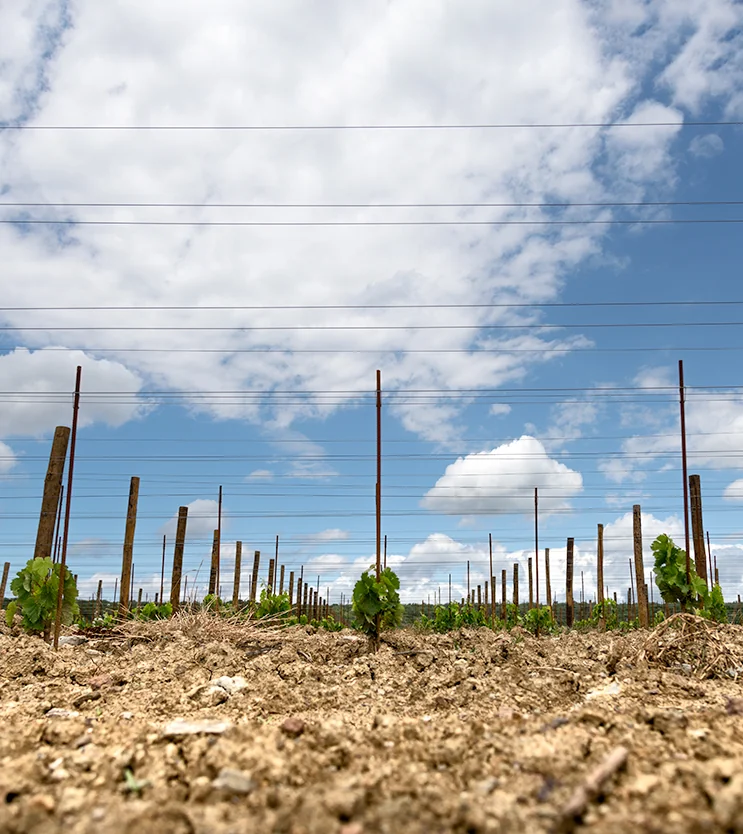
A soil study commissioned by the Consortium identified 27 distinct soil units within the appellation, of marine and alluvial origin and often spread over very small areas. Soils are generally deep, alkaline and sandy-clay, with fine gravel and visible fossil shells.
Producers commonly describe three broad bands. The hill and foothill sector has clay-sand soils and cooler temperatures. The intermediate band, around the Via Bolgherese, has alluvial clay-sand soils. The lower band towards the Via Aurelia is sandier and more exposed to the sea. Estates in the hills tend to talk about tension and verticality; estates lower down about generosity and roundness. For a buyer, the practical point is simple: before tasting, ask where the vineyards are.
Bolgheri at a glance
- Status: DOC since 1983 (reds since 1994); Bolgheri Sassicaia autonomous DOC since 2013
- Production area: municipality of Castagneto Carducci, excluding land west of the old Via Aurelia
- Vineyard area: about 1,365 ha (WineNews, August 2024); vineyard register reported closed by Pambianco in November 2023
- Producers: 74 Consortium members (WineNews, August 2024), almost all growing, vinifying and bottling themselves; no cooperatives reported by Pambianco in 2023
- Bottled production: about 6.7 million bottles (2023)
- Altitude: 10–380 m
- Soils: 27 soil units, marine and alluvial, sandy-clay, alkaline, gravelly
- Climate: about 15.5 °C mean, about 600 mm rain, sea winds on 250+ days a year
- Main red varieties: Cabernet Sauvignon, Merlot, Cabernet Franc; also Syrah, Sangiovese, Petit Verdot
- Main white varieties: Vermentino, Sauvignon
- Export share: about 50%, to around 100 countries (Pambianco, November 2023)
The market picture
In its report of 30 November 2023, Pambianco Wine estimated Bolgheri’s turnover at €150 million and described its average shelf price per bottle as the highest among Italian appellations. The same report put exports at around half of production, reaching roughly 100 countries, led by the United States, Switzerland, Germany and Canada. It reported average annual value growth of about 8% over the preceding decade. These are historical figures from that report, rather than a 2026 market measurement.
The production structure is polarised. The same 2023 report cites Guado al Tasso at around 320 hectares and 1.5 million bottles, and Ornellaia at 115 hectares and about one million bottles, alongside a large number of small independent estates. There are no cooperative wineries in the appellation. For an importer this means two very different conversations: with the large brands, access and allocation; with the small estates, volumes, continuity and how much commercial support they can actually provide.
Why two Bolgheri producers are not interchangeable
Five variables separate one estate from another, and each has commercial consequences.
Location. Hill, intermediate or coastal band, and which of the soil units the vines sit on.
Varietal choice. A Merlot-led Rosso and a Cabernet Sauvignon-led Rosso carry the same label but sit differently on a wine list; single-variety wines add a further option.
Scale. Six hectares and three hundred hectares are different businesses, with different allocation, pricing and continuity.
Range architecture. Whether the estate offers a clear ladder (a white, a Rosso, a Superiore) or a single flagship changes how the producer fits a buyer's list.
Commercial capacity. English-language technical sheets, an export price list, stable volumes per vintage and a clear existing distribution map are not a given in a small estate.
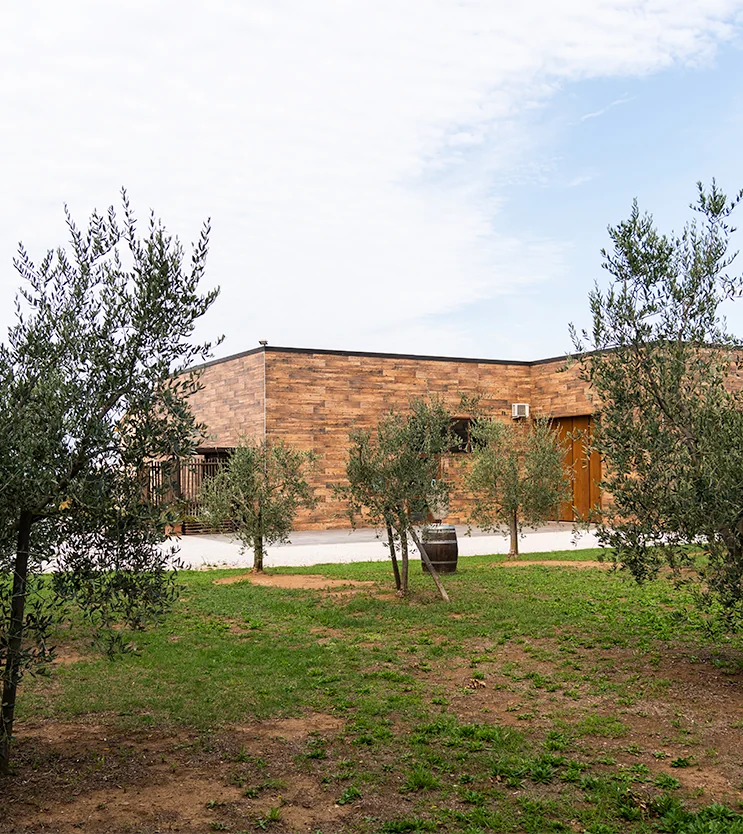
Villanoviana is a good example of the small end of the appellation. The Consortium’s estate profile describes around 6 hectares of certified organic vineyards in the Sant'Uberto area, in the heart of the DOC, planted with Merlot, Cabernet Franc, Cabernet Sauvignon, Petit Verdot, Vermentino and Viognier. Its DOC range follows the full ladder: Teia (Bolgheri Vermentino), Imeneo (Bolgheri Rosso) and Sant'Uberto (Bolgheri Rosso Superiore). For an importer, a profile like this means limited volumes, organic certification and a complete range from one small site, with allocation and continuity to be agreed rather than assumed. Villanoviana is part of the Enovia selection through our export partnership with Marc de Grazia Selections.
Our reading
Bolgheri is not an appellation where a smaller estate wins by imitating the icons. At the top of the price range, the competition is Sassicaia, Ornellaia and Masseto, and no buyer needs another wine trying to sit next to them. Where smaller producers earn a place is in the role they play in a buyer's list: a Rosso that works by the glass in a serious restaurant, a Superiore that gives depth to the Italian section without an icon's price, a Vermentino that shows the coastal side of the appellation.
Before proposing a Bolgheri producer, we check six things: whether the price gap between Rosso and Superiore is coherent; volumes per label and consistency across recent vintages; where the vineyards sit within the appellation; existing distribution and exclusivity by market; the quality of technical and trade materials in English; and certifications that are actually in place, not in progress.
For the trade
Enovia Selections works with Italian producers on their export development and with importers and distributors looking for estates that fit a defined role in their portfolio. If you are reviewing the Italian section of your list and Bolgheri is on it, we can share producer profiles, technical sheets and availability.
Sources & further reading
- Consorzio per la Tutela dei Vini DOC Bolgheri e DOC Bolgheri Sassicaia — Vini
- Consorzio — Bolgheri DOC (history and governance)
- Consorzio — Terroir
- Disciplinare di produzione DOC Bolgheri (2021)
- Valoritalia — Bolgheri
- Pambianco Wine, "Bolgheri, una Doc da 150 mln € di giro d'affari" (30/11/2023)
- WineNews, Bolgheri focus (31/08/2024)
- Paesiedizioni, estratto Bolgheri (2023)
- Guado al Melo, Il territorio Bolgheri DOC
- Consorzio — scheda Villanoviana
- Villanoviana — sito ufficiale